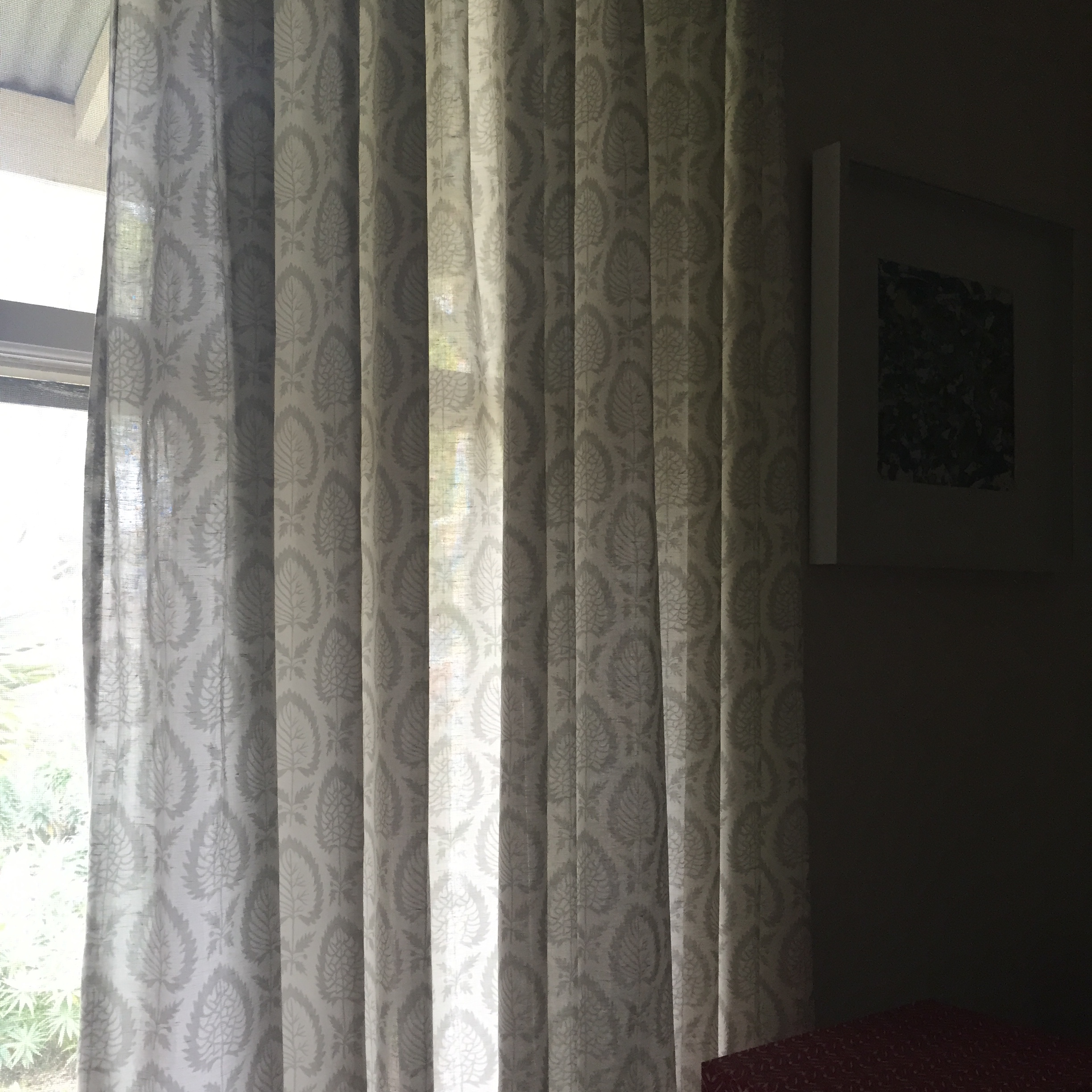
I have a writing room. It is a place of peace and tranquility. I am so lucky and grateful.
For years, I did not have a place of my own, a place in which to do my work away from the chaos and noise of the other goings on in my house. The fact that I have one now, and that it has a window onto my front garden is an immense source of pleasure and satisfaction.
Some say men need a shed, and much has been written on the topic. I’d say women need a room. As in a physical space that is defined and in which they can do whatever they choose without being constrained by time pressures, or other people. But more important than the actual physical space, is room in terms of having the space to be: having the space to become.
In this room, I have time to ponder, and to allow thoughts to filter into my mind. I can then play around with those thoughts on the page, and see where they lead me.
I am aware that this room of mine is an extravagance. A luxury. There are many people who do not have a place to call their own at all, never mind a room in which to think and work. And so I do not take this space for granted. Every day, I am thankful for the opportunity I have to do work that I love in an environment that both gives me respite from distraction and nurtures my creative soul.
I read an article in the paper recently about writing success being linked to privilege. This is not a new notion. Virginia Woolf wrote about it in 1928. Below are some excerpts that are particularly salient.
All I could do was to offer you an opinion upon one minor point—a woman must have money and a room of her own if she is to write fiction; and that, as you will see, leaves the great problem of the true nature of woman and the true nature of fiction unsolved.
Virginia Woolf – A Room of One’s Own – 1928
It’s not just the room, it’s also about money. For if not for money, how would the room and the time to write come about? Ms Woolf again below:
But for women, I thought, looking at the empty shelves, these difficulties were infinitely more formidable. In the first place, to have a room of her own, let alone a quiet room or a sound-proof room, was out of the question, unless her parents were exceptionally rich or very noble, even up to the beginning of the nineteenth century. Since her pin money, which depended on the goodwill of her father, was only enough to keep her clothed, she was debarred from such alleviations as came even to Keats or Tennyson or Carlyle, all poor men, from a walking tour, a little journey to France, from the separate lodging which, even if it were miserable enough, sheltered them from the claims and tyrannies of their families. Such material difficulties were formidable; but much worse were the immaterial. The indifference of the world which Keats and Flaubert and other men of genius have found so hard to bear was in her case not indifference but hostility. The world did not say to her as it said to them, Write if you choose; it makes no difference to me. The world said with a guffaw, Write? What’s the good of your writing?
Virginia Woolf – A Room of One’s Own – 1928
And when all is said and done, when women have the money, the time, and the room, as Cixous has written, they must still be able to bridge the chasm that separates them from where they stand to believing they can and should write. Believing that they are worth it.
 The Life Journey Project